
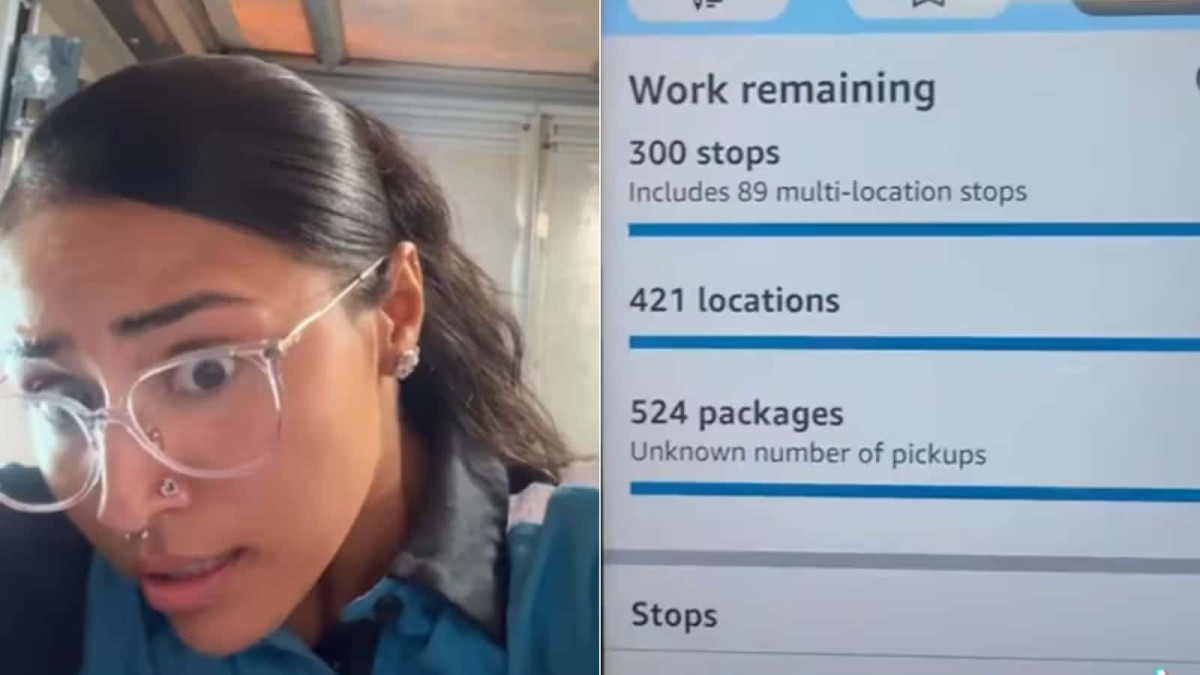

The revelation has polarized observers, with many expressing disbelief at the brutal mathematics required to complete such a route. Social media users calculated that in a standard eight-hour shift, 300 stops allow for only 1.6 minutes per stop, a figure that must account for driving, parking, and locating specific packages. Critics argue that such quotas represent a "sprint" that ignores traffic, safety, and basic biology, suggesting the workload likely forces 14-hour shifts without breaks. One commentator noted that while these metrics may appear "logistically possible" on a corporate spreadsheet, they are not "physically possible" for a human being, highlighting a hidden cost of "Next Day Delivery" where driver well-being is traded for consumer convenience.
However, the discourse also includes voices defending the rigor of the role. Some argue that advanced route optimization software ensures these tasks are achievable for experienced workers, while others compared the workload to that of FedEx and UPS drivers who operate larger step vans with significantly more cargo space. The debate took a sharp turn into social and political commentary, with one user suggesting that undocumented individuals would perform the work "this lazy American complains about," questioning the driver’s stance on immigration. Others dismissed the video as "influencers cosplaying as overworked," suggesting that individuals apply for jobs they are unqualified for simply to generate social media engagement.
Despite the criticisms, some provided practical advice on organizing deliveries by zones to manage the load, while others maintained that Amazon employees are compensated with a "crap load of money" for their "hard work." Conversely, some observers labeled the outsourcing model "insane," stating that no amount of annual salary—even a hypothetical 0,000—would justify such conditions. This intersection of viral transparency and labor controversy underscores a growing fracture in the modern workforce, as the public grapples with whether these rigorous delivery systems represent peak efficiency or a straight-up burnout waiting to happen.
About The Author

Related Posts



.jpg)
Latest News
Logistics or Burnout: Amazon Delivery Driver’s Viral Workload Sparks Intense National Debate


Advertisement
Science & Tech
PM Narendra Modi Highlights Civilisational Legacy at Samrat Samprati Museum Inauguration in Gandhinagar

Health
Coffee-Based Home Remedies Gain Ground as Dermatologists Highlight Natural Skincare Benefits

Lifestyle
Food Pharmer Sparks Nationwide Debate Over Cheeslings Ingredients, Raises Questions on Food Safety Standards


Comment List